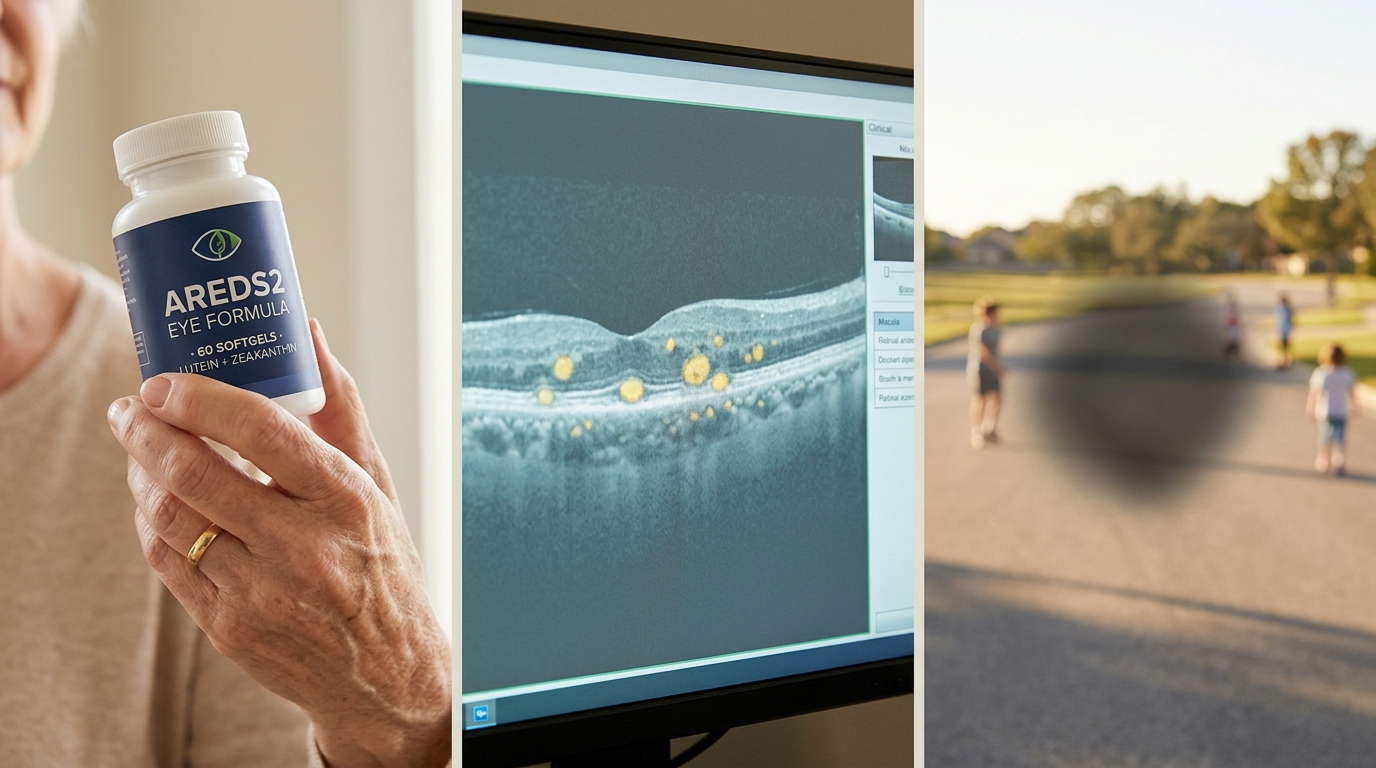
If you take a daily AREDS formula and your central vision keeps getting worse at every exam — blurrier chart, new distortions, another small change — it isn't your fault. The truth is simpler, and harder: the formula itself is built on 1996 science — and it was never designed to cover what we now know drives macular decline.
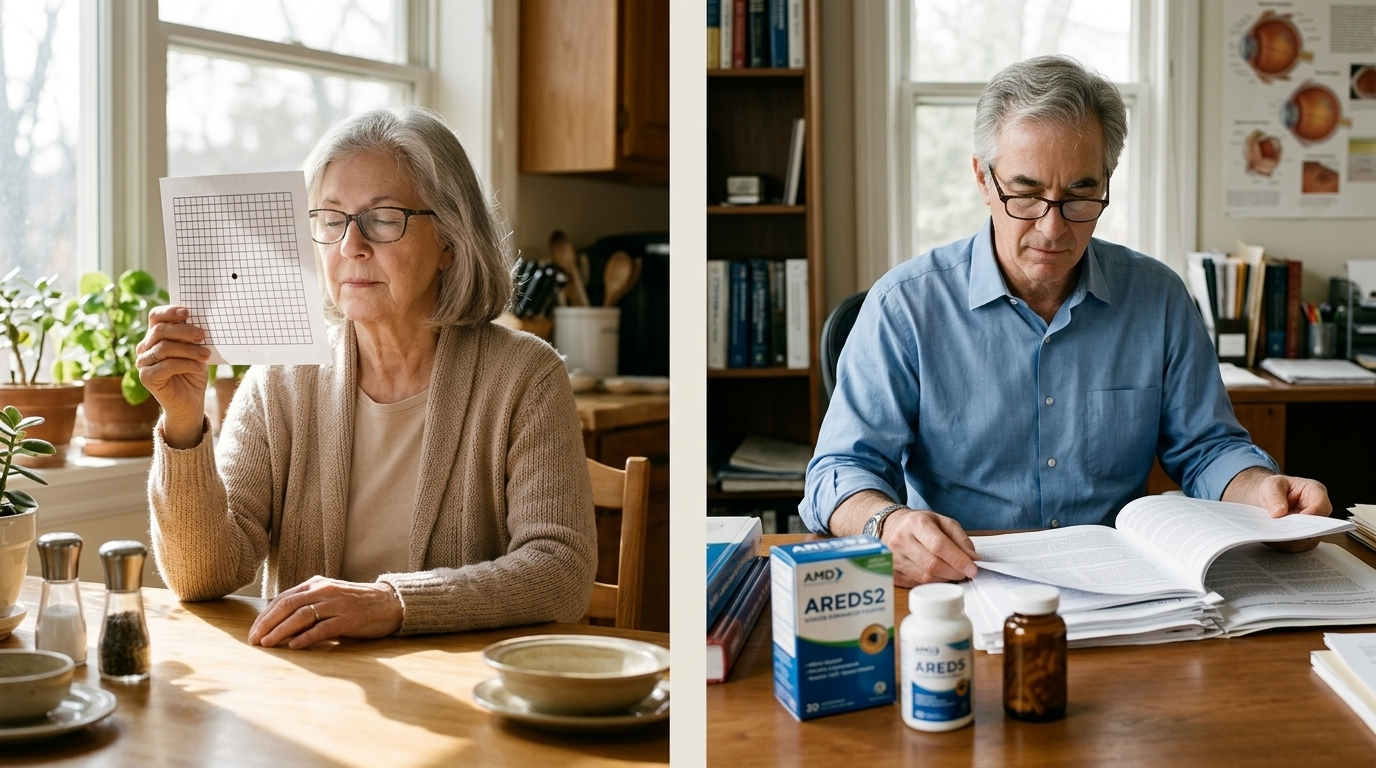
It's a quiet question that tends to surface in the waiting room, somewhere between the eye drops and the next appointment card: you've been taking it faithfully — so why does the chart keep moving the wrong way?
Here's the part almost no one says out loud. The AREDS protocol was designed around research that began in the early 1990s and was finalized in 1996. We are now in 2026. In those three decades, hundreds of new studies have reshaped what scientists understand about age-related vision decline — how the macula actually breaks down, which nutrients reach it, and which ones the original formula completely left out.
So if you've been doing everything right and your eyes are still changing, the issue isn't your discipline. It's the formula. AREDS was a real step forward — for its time. But it's a six-ingredient answer to a problem we now know has three root causes and a much richer list of nutrients behind it. There are better tools now. The rest of this page is about what changed — and what a 2026-grade formula actually looks like.
You took it every single day. Exactly the way your ophthalmologist recommended it, year after year, without missing a dose. And still — at each annual exam — the chart showed another small change. If that's your story, hear this clearly: that is not a personal failure.
Here's the part the brochures tend to underplay. In the landmark trial, the original formula was shown to reduce the risk of progression to advanced AMD by about a quarter in higher-risk patients (AREDS Research Group, 2001). That was a genuine, important result. But read it the other way around, the way the math actually works: a benefit "for about a quarter" means most people still saw their eyes change over time.
So the quiet feeling you've been carrying — "I did everything they told me to do, and every year my eyes were a little worse" — isn't you being an exception. You're the rule that headline number quietly contains. The formula did something. It just never claimed to do everything — and somewhere along the way, that distinction got lost.

The approach sitting in your medicine cabinet traces back to research that began in the 1990s — and for its time, it was a real step forward. It was built to do one thing, and do it well: fight oxidative stress, the free-radical damage that wears on the macula, using antioxidants and zinc. Six core nutrients, one job.
That was the right answer for what was understood in 1996. The thing is, the research kept advancing — the protocol stayed the same. Three decades of work have since deepened how specialists think about why the macula declines, and what it needs to stay supported. The bottle didn't change. The understanding did.
None of this makes the old formula bad. It makes it incomplete — built for a narrower picture of the problem than the one we can see now. And once you've seen the fuller picture, it's hard to un-see the gap.

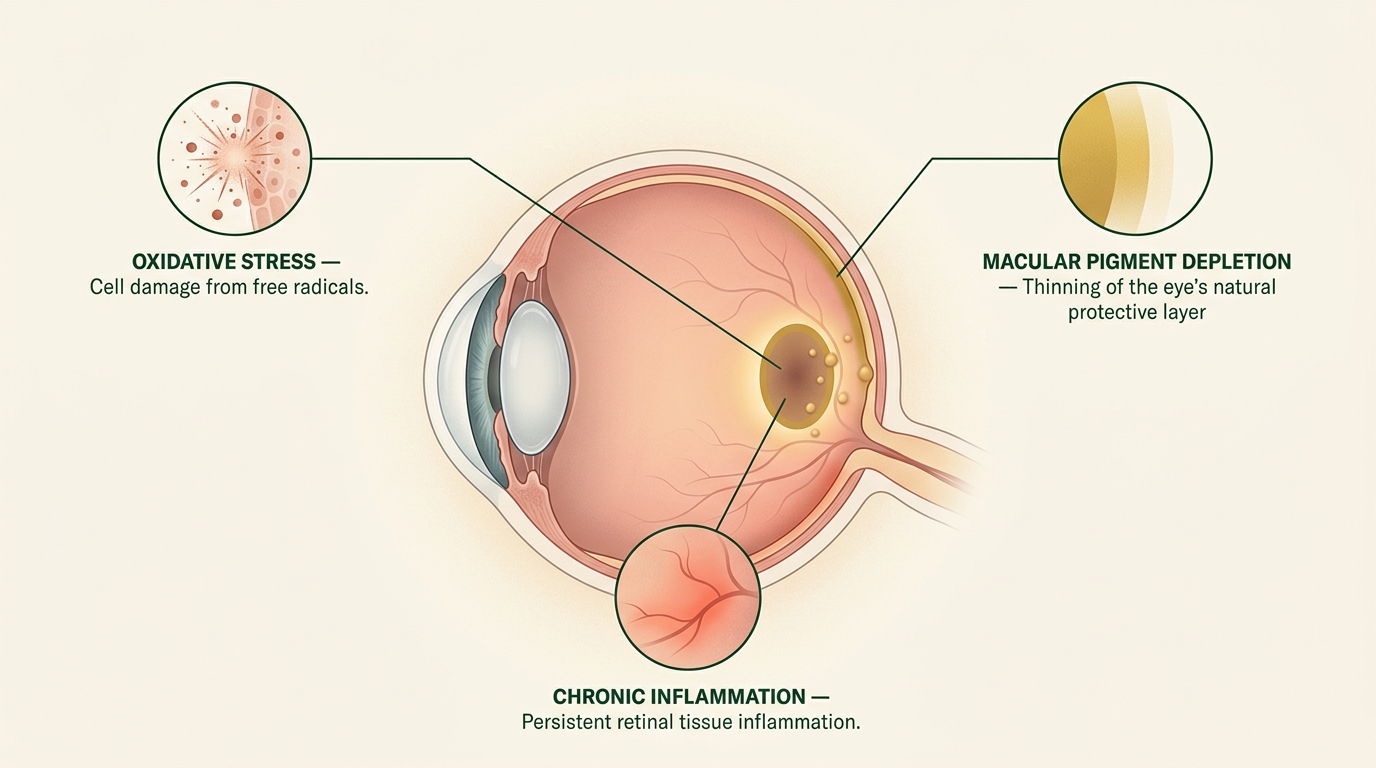
Modern understanding points to three root-cause pathways behind macular degeneration, not one. Oxidative stress is the first — and that's the pathway your AREDS formula was built around, so credit where it's due: that door is covered. But the macula also depends on the circulation that carries oxygen and nutrients up to it, and it depends on keeping the chronic inflammation that drives progression in check. A six-ingredient antioxidant-and-zinc formula was never designed for those last two.
Think of it plainly: AREDS locks the oxidative-stress door — and leaves the other two windows open.
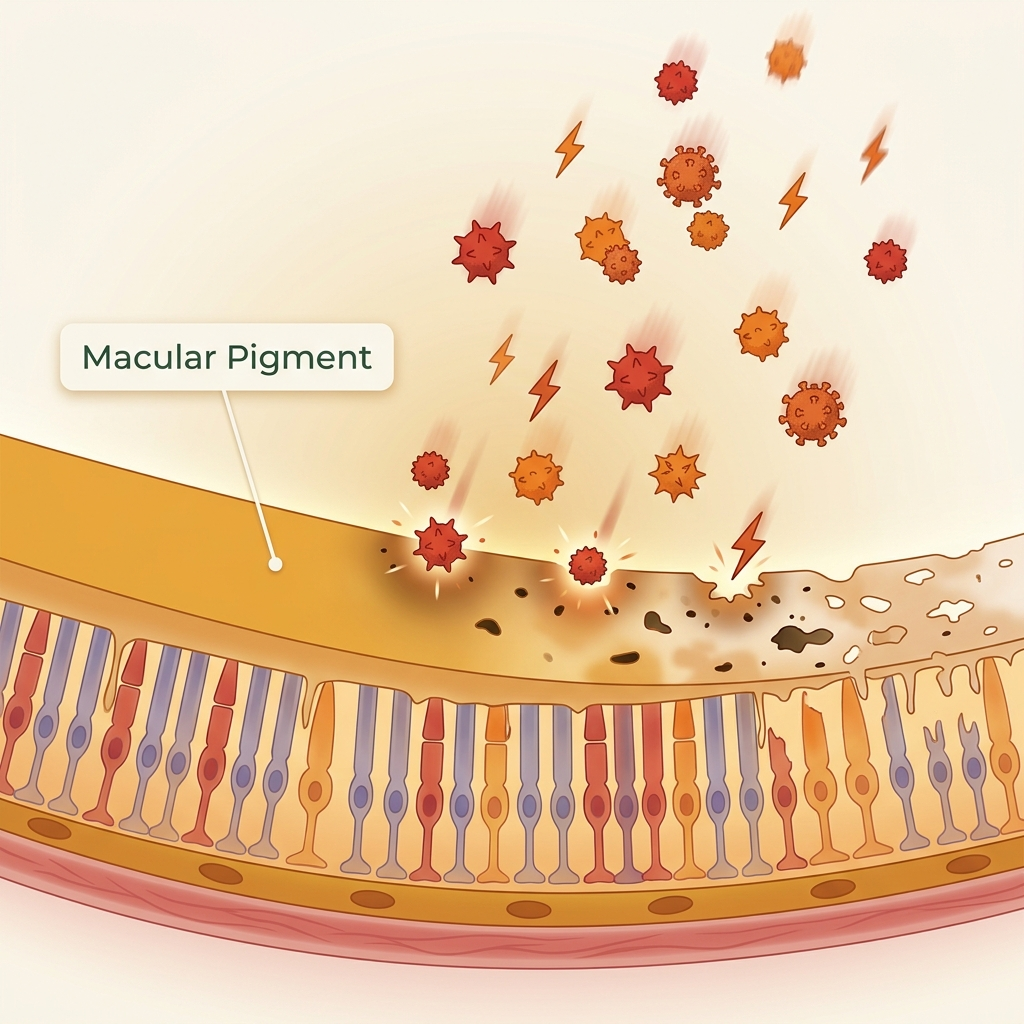
Free radicals attacking the macular pigment — the pathway AREDS was built to address.
Vitamin C, Vitamin E, Zinc, Copper, Lutein, Zeaxanthin, Vitamin A
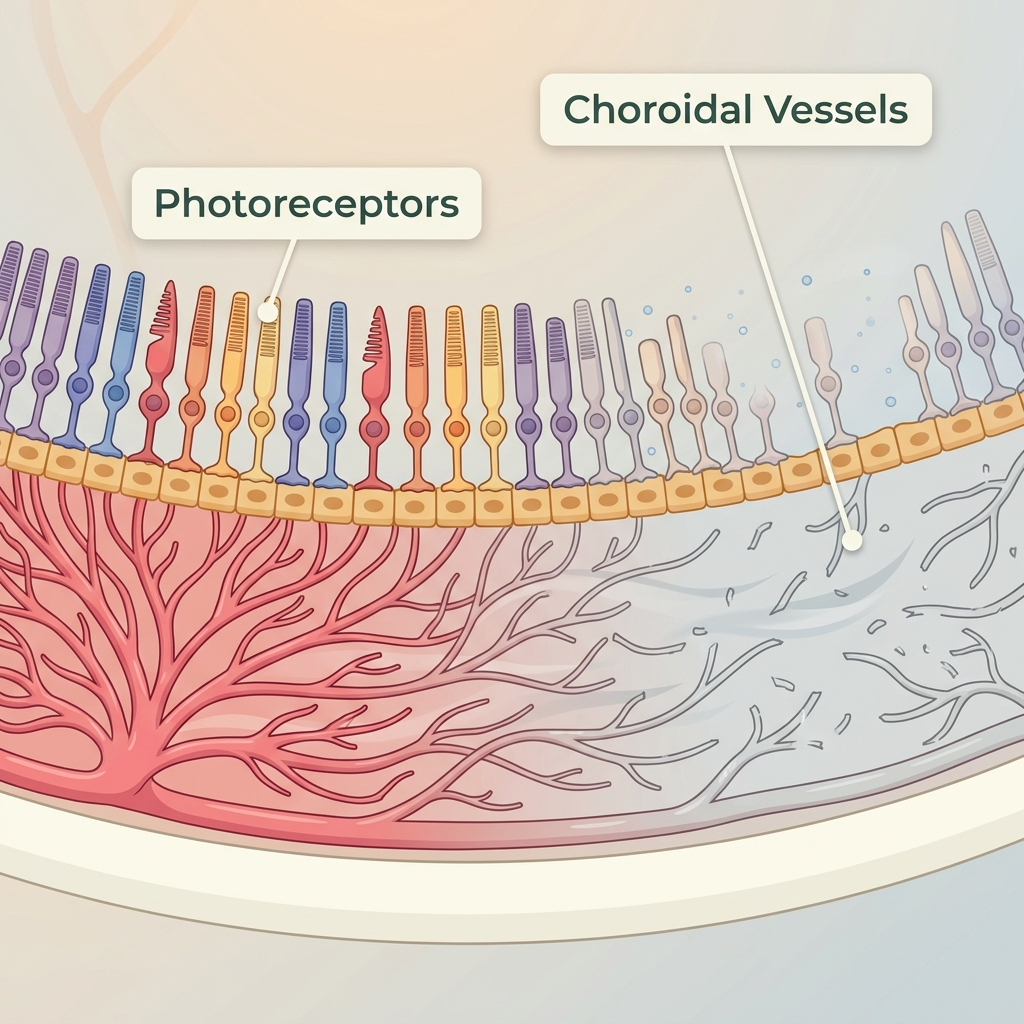
Choroidal blood vessels lose flow capacity over time; the retina's photoreceptors literally starve.
Bilberry Extract, Grape Seed Extract, Niacin (B3), Rutin, Magnesium, Vitamin B1, Vitamin B12
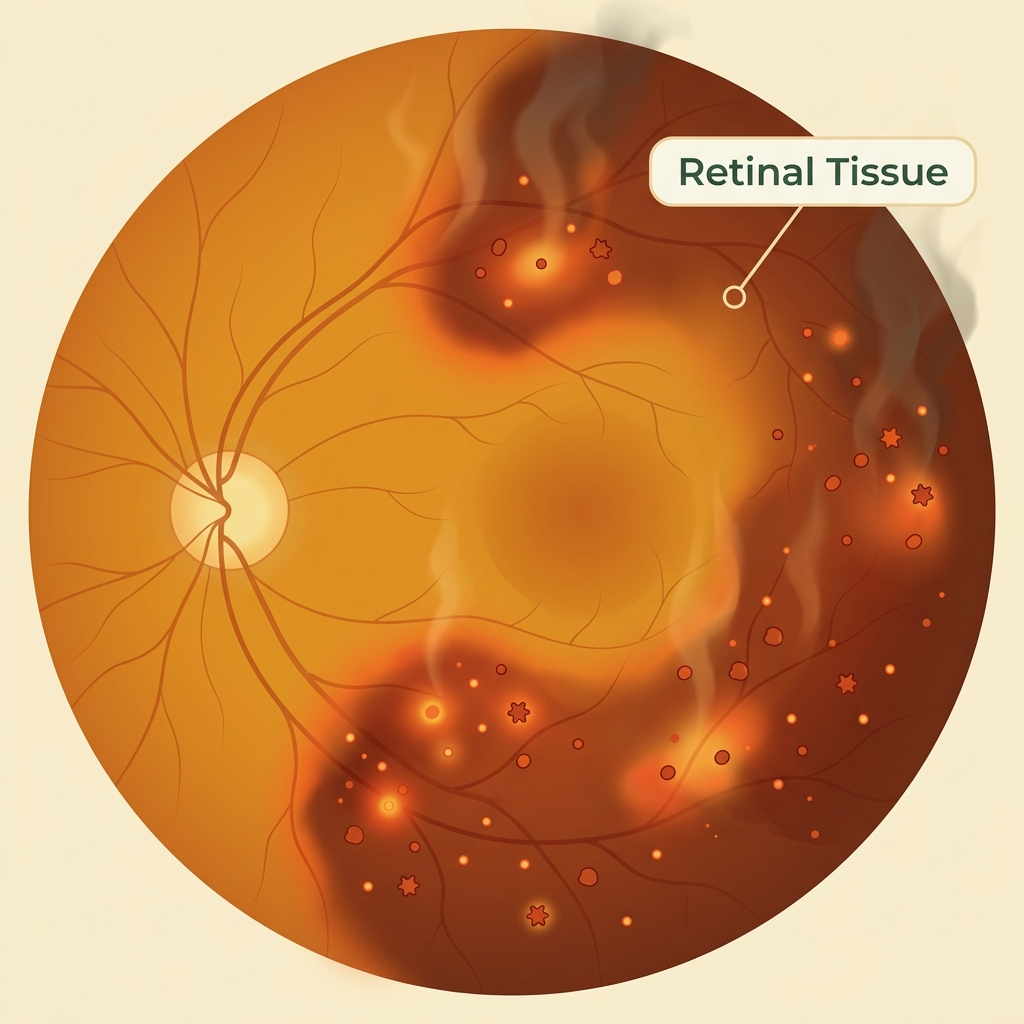
A slow-burning oxidative cascade in retinal tissue, separate from the macular pigment.
Quercetin, Alpha Lipoic Acid, Lycopene, Eyebright, Selenium, Riboflavin
That's the whole gap, and it's not a knock on anyone. It's arithmetic. Six ingredients, aimed at one of three pathways. A formula can be excellent at the job it was given and still leave two-thirds of the picture unaddressed — because it was never asked to cover them. So the honest question isn't "is AREDS good?" It's the one you started with: is it enough? On the math alone, your current AREDS approach covers one of three root causes.
So that's where the math leaves you. Your current AREDS approach covers one of three root causes — the one it was built for in 1996 — while the circulation and inflammation pathways sit outside what six ingredients were ever meant to reach. Here's what those other two pathways actually need.
For a long time, that gap had no good answer. The AREDS core was the formula everyone was handed — and it was never built to reach the circulation and inflammation pathways. Closing that gap meant going back to the research: the decades of studies published since 1996 that mapped which specific nutrients support blood flow to the macula and help keep retinal inflammation in check.
That's exactly what Vision Enhance Pro was formulated to do. It keeps the proven AREDS antioxidant core — and adds the 18 additional nutrients the newer research points to, across all three root-cause pathways, in one daily capsule.
Essentially the AREDS foundation, plus the thirty years of research it never had.
Here's what that looks like:
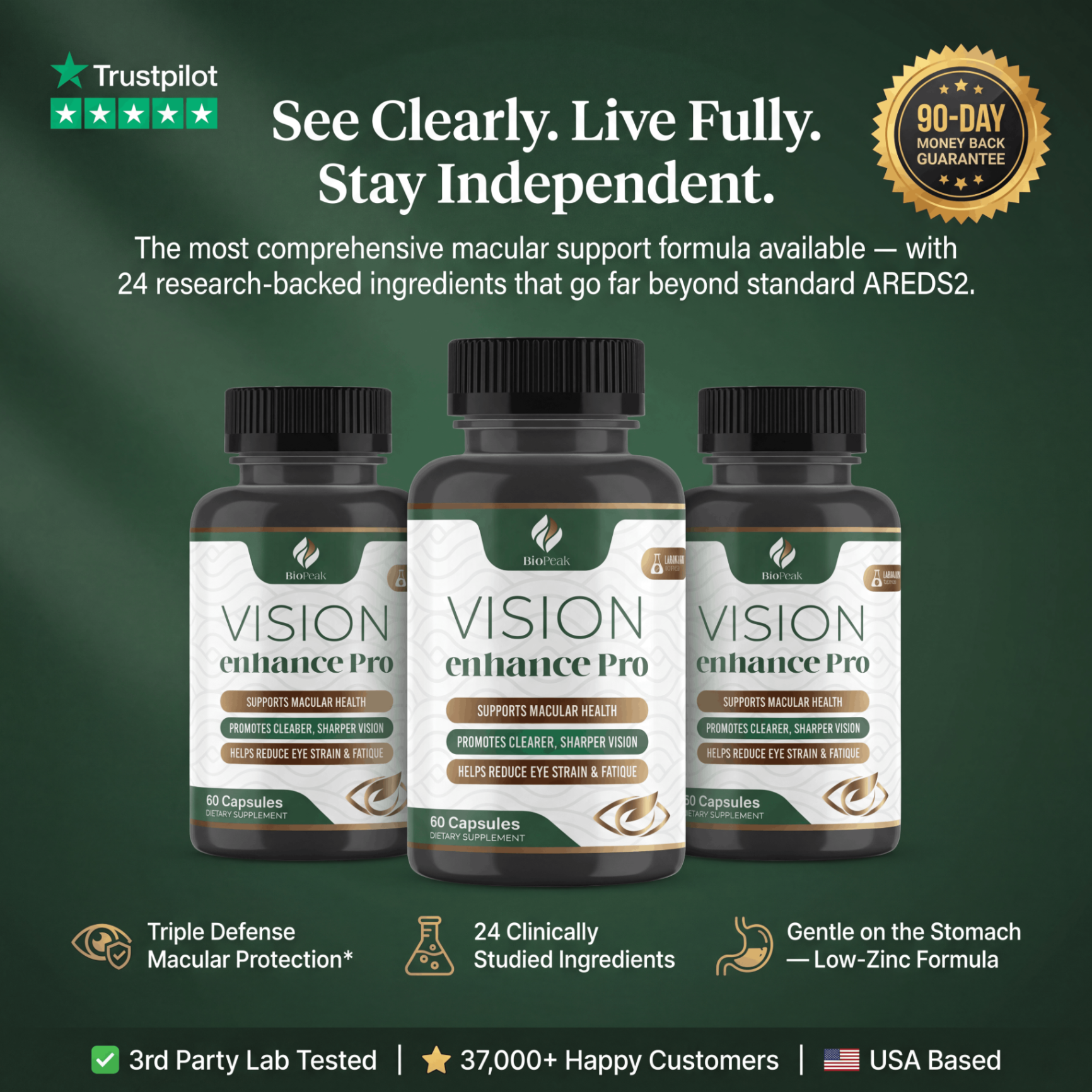

The 24-ingredient comprehensive macular-health formula built around the Triple Defense Protocol — designed to support all three root-cause pathways of macular aging, not just one.


Each ingredient selected for specific, proven benefits to macular health and overall eye function.
These two carotenoids are the only antioxidants found in the macula itself — the part of your eye responsible for sharp, central vision. They act as a natural "internal sunscreen," filtering harmful blue light and neutralizing free radicals before they can damage delicate retinal cells.
The landmark AREDS study confirmed that lutein and zeaxanthin reduce the risk of AMD progression by 18-25% in people with intermediate AMD. A 2019 meta-analysis of 9 RCTs showed they increased macular pigment density and improved both visual acuity and contrast sensitivity in AMD patients.
Chew et al., 2022, JAMA Ophthalmology (AREDS Report 28); Feng et al., 2019, PLoS ONE (Meta-analysis of 9 RCTs)
Used by British pilots in WWII for improved night vision, bilberry contains powerful anthocyanins — antioxidants that give the berry its deep purple color. Research shows bilberry extract can reduce free radicals in retinal cells by up to 60% and inhibits the NF-κB inflammation pathway linked to AMD progression.
A clinical study of 132 patients showed bilberry improved visual acuity and visual field over 24 months. It also supports healthy blood flow to the tiny vessels that nourish your retina — with measurable improvements in retinal artery blood flow confirmed by Color Doppler imaging.
Shim et al., 2012, Journal of Medicinal Food (n=332); Milbury et al., 2007, J. Agric. Food Chemistry (USDA-ARS)
Your retina contains the highest concentration of zinc of any tissue in your body. It's essential for transporting vitamin A to create the pigments that protect your macula.
Here's what makes us different: Most AREDS formulas use 80mg of zinc, which causes severe stomach upset in many people. AREDS proved that lower-dose zinc was equally effective (HR 1.04; P=.49), validated at 10-year follow-up. We use 32mg — enough to support your eyes effectively while being significantly gentler on your digestive system. No more choosing between eye health and stomach comfort.
AREDS Research Group, 2001, Archives of Ophthalmology (RCT, n=3,640); AREDS 10-year follow-up, 2022
ALA is unique because it's both water and fat-soluble — meaning it can protect every part of your cells, inside and out. A clinical trial with 100 dry AMD patients showed significant improvement in visual function after ALA supplementation.
Even better: ALA regenerates vitamins C and E after they've neutralized free radicals, essentially "recycling" your other antioxidants for continued protection. A Phase I trial established ALA tolerability in elderly subjects, leading to a Phase II RCT for dry AMD (NCT02613572).
Packer et al., 1995, Free Radical Biology & Medicine; Sarezky et al., 2016, Clinical Ophthalmology (Phase I, n=15)
These two vitamins form the antioxidant backbone of the AREDS formula — the most extensively studied eye nutrition protocol in history. Vitamin C protects the aqueous humor and lens, while Vitamin E shields the fatty membranes of your retinal cells from oxidative damage.
Together, they demonstrated a 25% reduction in AMD progression in the original AREDS study. Vitamin C is concentrated in the aqueous humor at levels 20-40× higher than in blood plasma — confirming your eyes actively pull it in for protection.
AREDS Research Group, 2001, Archives of Ophthalmology (RCT, n=3,640); Chen et al., 2022, Antioxidants (n=130)
When you supplement with zinc, your body's copper absorption can decrease — potentially leading to deficiency over time. We include copper specifically to maintain healthy mineral balance and prevent this issue.
This is exactly what the AREDS researchers recommended, and it's a detail some cheaper supplements skip. Research shows 62% of patients prescribed zinc at therapeutic doses are at risk for copper deficiency. Higher copper intake was associated with a 63% reduced risk of late AMD in NHANES population data.
Duncan et al., 2015, J. Clinical Pathology (n=70); Lu et al., 2025, BMC Ophthalmology (n=4,996)
Quercetin is a powerful flavonoid that inhibits angiogenesis — the growth of abnormal blood vessels that can convert dry AMD to the more serious wet form. Research shows it can inhibit VEGF-induced cell proliferation by up to 65%, mimicking the mechanism of anti-VEGF drugs used for wet AMD.
It also reduces H₂O₂-induced RPE cell senescence from >90% to near-control levels and suppresses inflammatory responses via NF-κB inhibition. Think of it as an extra layer of defense against AMD progression.
Li et al., 2015, Graefe's Archive; Kook et al., 2008, IOVS (primary human RPE)
Your retina contains the highest concentration of taurine of any tissue in your body — with over 60% concentrated in the outer nuclear layer where photoreceptors reside. This amino acid is critical for photoreceptor development and survival.
Taurine deficiency has been directly linked to complete photoreceptor degeneration in landmark studies. A 2022 study showed systemic taurine treatment produced a 70% increase in rod response and 400% increase in a-wave amplitude — with decreased microglial activation and reduced oxidative stress.
García-Ayuso et al., 2024, Neural Regeneration Research; García-Ayuso et al., 2022, Redox Biology
Lycopene is the most efficient biological singlet oxygen quencher — more than 2× beta-carotene and ~100× vitamin E. This powerful red pigment stands out as "the only carotenoid" showing protection against BOTH early-stage and wet AMD in research.
A meta-analysis found highest blood lycopene associated with 30% lower AMD risk (OR 0.70; P=.006; zero heterogeneity). Uniquely, lycopene appears to protect lutein and zeaxanthin in circulation from oxidation — it was the only carotenoid depleted in AMD patient serum while macular carotenoids remained unchanged.
Li et al., 2022, Frontiers in Nutrition (Meta-analysis); Cardinault et al., 2005, Clinica Chimica Acta
The tiny blood vessels that nourish your retina are incredibly delicate. Grape seed extract contains oligomeric proanthocyanidins (OPCs) — compounds that strengthen capillary walls and improve microcirculation. Better blood flow means more oxygen and nutrients reaching your macula.
In a multicenter double-blind RCT, grape seed proanthocyanidins outperformed the standard vascular drug for improving hard exudates and macular volume. It also alleviates RPE cellular senescence through the NAMPT/SIRT1 pathway and reduced diastolic blood pressure across 19 controlled trials.
Shin et al., 2019, Medicine (RCT, n=124); Asbaghi et al., 2022, Pharmacological Research (19-trial meta-analysis)
Rutin is a bioflavonoid that works alongside quercetin to strengthen blood vessel walls and reduce capillary fragility. This is particularly important for the delicate vasculature of the eye, where weak vessels can lead to leakage and vision problems.
Oral rutin was shown to significantly lower retinal VEGF, TNF-α, and aldose reductase (all P<.001) while elevating total antioxidant capacity. Critically, rutin was detected in the retina and aqueous humor after oral dosing — confirming it actually reaches your eyes. Among 19 compounds tested, rutin showed the most significant RPE cell protection.
Gupta et al., 2020, International Ophthalmology; 2021, Experimental Eye Research (19-compound comparison)
Used for over 500 years in European herbal medicine specifically for eye complaints, Eyebright contains flavonoids, iridoid glycosides, and tannins that support eye comfort and anti-inflammatory activity.
Research showed Euphrasia extracts decreased IL-1β, IL-6, and TNF-α expression in human corneal epithelial cells and demonstrated free radical scavenging activity. A multi-clinic study across Germany and Switzerland achieved an 81.5% complete recovery rate in inflammatory eye conditions.
Stoss et al., 2000, J. Alternative & Complementary Medicine (n=65); Paduch et al., 2014, Balkan Medical Journal
Your optic nerve transmits millions of signals from your retina to your brain every second. B vitamins are essential for healthy nerve function and cellular energy production. Our formula includes B1, B2, B3, B12, and Biotin — a comprehensive complex to support the neural pathways of vision.
The landmark WAFACS study (n=5,205 women, 7.3 years) found combined B-vitamin supplementation reduced AMD risk by 34% and visually significant AMD by 41%. Vitamin B2 is an essential cofactor for glutathione reductase — the enzyme that recycles the retina's primary intracellular antioxidant.
Christen et al., 2009, Archives of Internal Medicine (WAFACS, RCT, n=5,205); Huang et al., 2015, Scientific Reports (Meta-analysis)
Vitamin A is literally required to see. It forms rhodopsin, the light-sensitive pigment in your rod cells that enables vision in low light. We use beta-carotene, the plant-based precursor that your body converts to vitamin A as needed — making overdose virtually impossible.
Research confirmed that beta-carotene is enzymatically converted to vitamin A directly in RPE cells, with enzyme activity upregulated by 75-96% upon exposure. Our very low dose is ~25× below the threshold associated with lung cancer risk identified in AREDS — offering vitamin A's retinal benefits without the safety concern.
von Lintig et al., 2005, IOVS (human RPE cells); Chew et al., 2022, JAMA Ophthalmology (AREDS Report 28)
Beyond zinc and copper, we include additional minerals that support overall eye function:
Calcium — Supports lens transparency and nerve signal transmission. AREDS data showed women with highest calcium supplementation had 33% lower risk of neovascular AMD.
Magnesium — A natural calcium channel blocker for retinal vessels that improves ocular blood flow. Oral magnesium significantly improved visual field in a clinical study within just 1 month.
Selenium — Activates selenium-dependent glutathione peroxidase in the RPE, your retina's critical antioxidant enzyme.
Chromium — Supports healthy blood sugar, important since diabetes is a major risk factor for eye problems.
Tisdale et al., 2019, JAMA Ophthalmology (AREDS Report 39); Aydin et al., 2010, European J. Ophthalmology (n=30)
Twenty-four ingredients. Every single one cited in peer-reviewed clinical literature. The dose listed. The study published. The evidence verifiable. Below: the count of clinical citations supporting Vision Enhance Pro's formula. Compare to AREDS's two.
Clinical citations from the Vision Enhance Pro Ingredients & Clinical Studies document. Citations represent the evidence base for each ingredient's inclusion. Individual ingredient evidence does not establish efficacy of the combined formula for any specific outcome. Vision Enhance Pro is a nutritional supplement; not intended to diagnose, treat, cure, or prevent any disease.
| Dimension | VISION ENHANCE PRO | BASIC AREDS |
|---|---|---|
| Ingredient count | ✓24 clinically-researched nutrients | ✗6 basic nutrients |
| Pathways supported | ✓All 3 (Oxidative + Macular Pigment + Inflammation) | ✗1 (Oxidative only) |
| Year designed | ✓2026 — modern formulation | ✗1996 — unchanged in 30 years |
| Zinc dose | ✓32mg (gentle on stomach) | ✗80mg (associated with GI side effects) |
| Side-effect profile | ✓Lower-zinc formula minimizes nausea | ✗Documented GI complaints |
| Clinical citations | ✓Peer-reviewed evidence per ingredient (24) | ✗2 AREDS trial citations (1996, 2013) |
| Manufacturing | ✓FDA-Registered, GMP-Certified, Third-Party Tested | —Mass retail manufacturing |
| Guarantee | ✓90-Day Money-Back Guarantee | ✗None — non-returnable |

Real customers. Real reviews. Real outcomes their ophthalmologists noticed before they did. Verified buyers — every photo, every name, every result documented.


Every order includes: Vision Enhance Pro 24-Ingredient Complete Formula · 90-Day Money-Back Guarantee · FREE 2–3 Day Priority Shipping

March 2026
"For years, we recommended AREDS because it was the best evidence-based option available — and it remains a solid foundation. But the research has continued to evolve, and what we understand about AMD today goes well beyond oxidative stress alone.
Macular pigment density, chronic sub-clinical inflammation, retinal microcirculation — these are measurable factors that affect the trajectory of AMD, and they aren't addressed by a six-ingredient formula. Vision Enhance Pro includes nutrients targeting all three of these pathways at doses consistent with the clinical literature.
I recommend it to my patients not as a replacement for AREDS, but as a completion of what AREDS started. If you're serious about protecting your vision, this is the most comprehensive approach available in a single daily capsule."
— Dr. Raynor, MD | Ophthalmologist & Eye Researcher

✓ 90-Day Money-Back Guarantee | ✓ Free 2–3 Day Shipping


We're so confident Vision Enhance Pro will work for you that we offer a 90-Day Money-Back Guarantee.
Take it for 90 days. If you don't notice clearer, sharper vision... if you're not completely satisfied for ANY reason... simply contact us for a full refund.
No questions asked. No hassles. No risk.
You risk nothing. Your eyes have everything to gain.
📧 support@biopeaklab.com
📞 (302) 298-1718
✓ 90-Day Money-Back Guarantee | ✓ Free 2–3 Day Shipping

Based on 37,458+ verified reviews

"3 months in, eye doctor says everything looks stable. No more stomach problems like I had with my old supplement. Still driving myself to church every Sunday and that’s what matters to me."

"The high zinc in PreserVision was killing my stomach. Switched to this and within a week the nausea was gone. Wish I found it sooner!"

"No progression at my last checkup. That’s all I wanted to hear."

"When my doctor told me I had AMD I was devastated. Started taking Vision Enhance Pro right away because I needed to DO something about it. Two appointments later and my vision is holding steady. I can still read my Bible every morning and see my grandkids’ faces. That’s worth everything."

"24 ingredients vs the basic 6 in other formulas. Easy choice. I’m 78 and still independent."

"PreserVision gave me black stools and terrible stomach pain for YEARS. I had no idea it was the zinc until my pharmacist mentioned it. Switched to this and it’s like night and day. I actually look forward to taking my vitamins now instead of dreading it."

"I can still see my grandchildren’s faces. That’s everything."

"82 years old and still doing my own grocery shopping. My biggest fear was becoming a burden on my kids. Vision Enhance Pro is part of how I’m staying independent. Doctor says keep doing what I’m doing."

"Finally! A supplement that doesn’t make me sick. Tried 3 different AREDS formulas before this one."

"My eye doctor said take AREDS but didn’t say which brand. Did my own research and picked this one for the comprehensive formula. Six months later, no progression. Grateful every single day."

"I’m skeptical by nature. But the science behind AREDS is solid - it’s a real NIH study, not marketing nonsense. This formula includes all of that plus extras. 8 months stable."

"They actually answer the phone! Real people! And the product works. Still doing my crossword puzzles every morning."